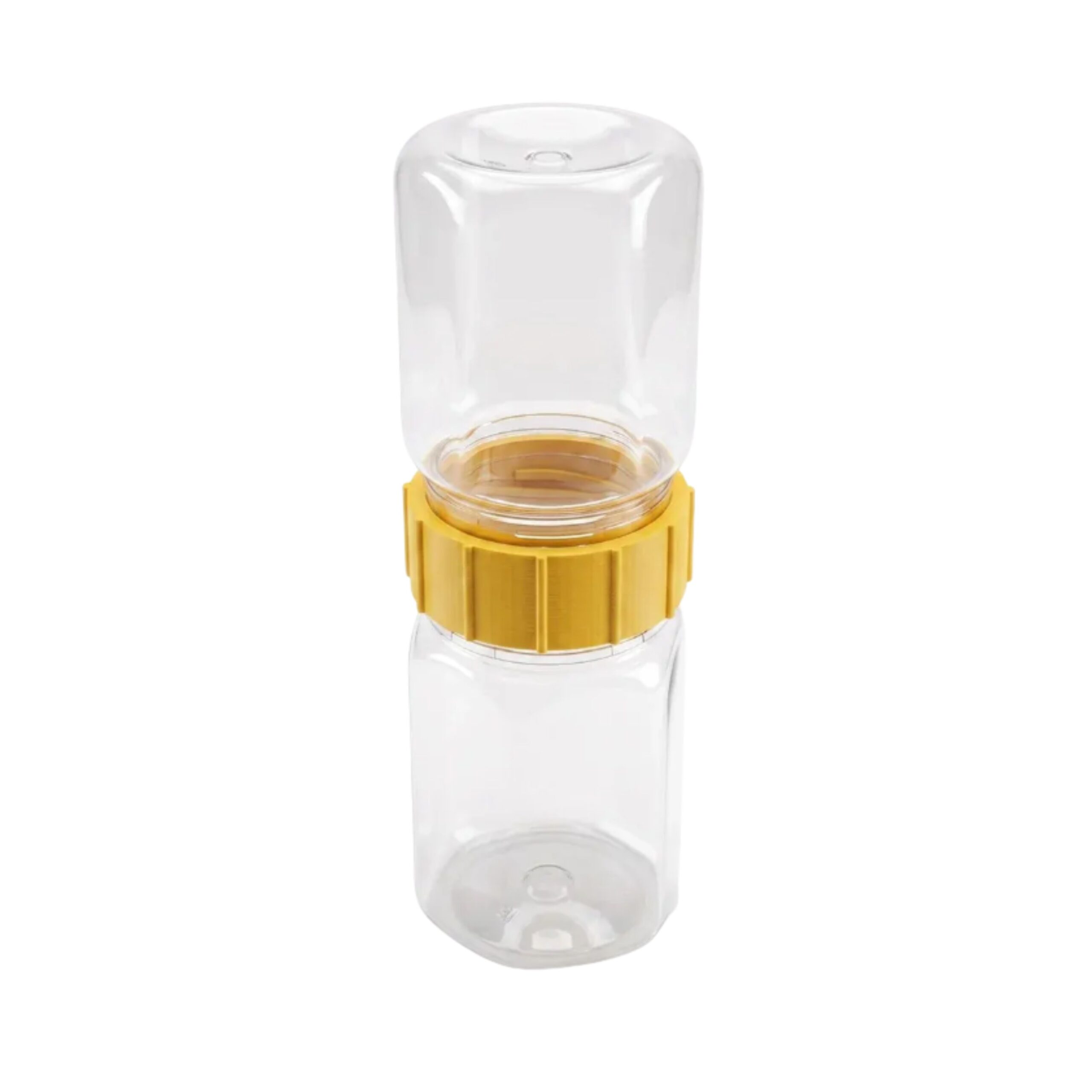
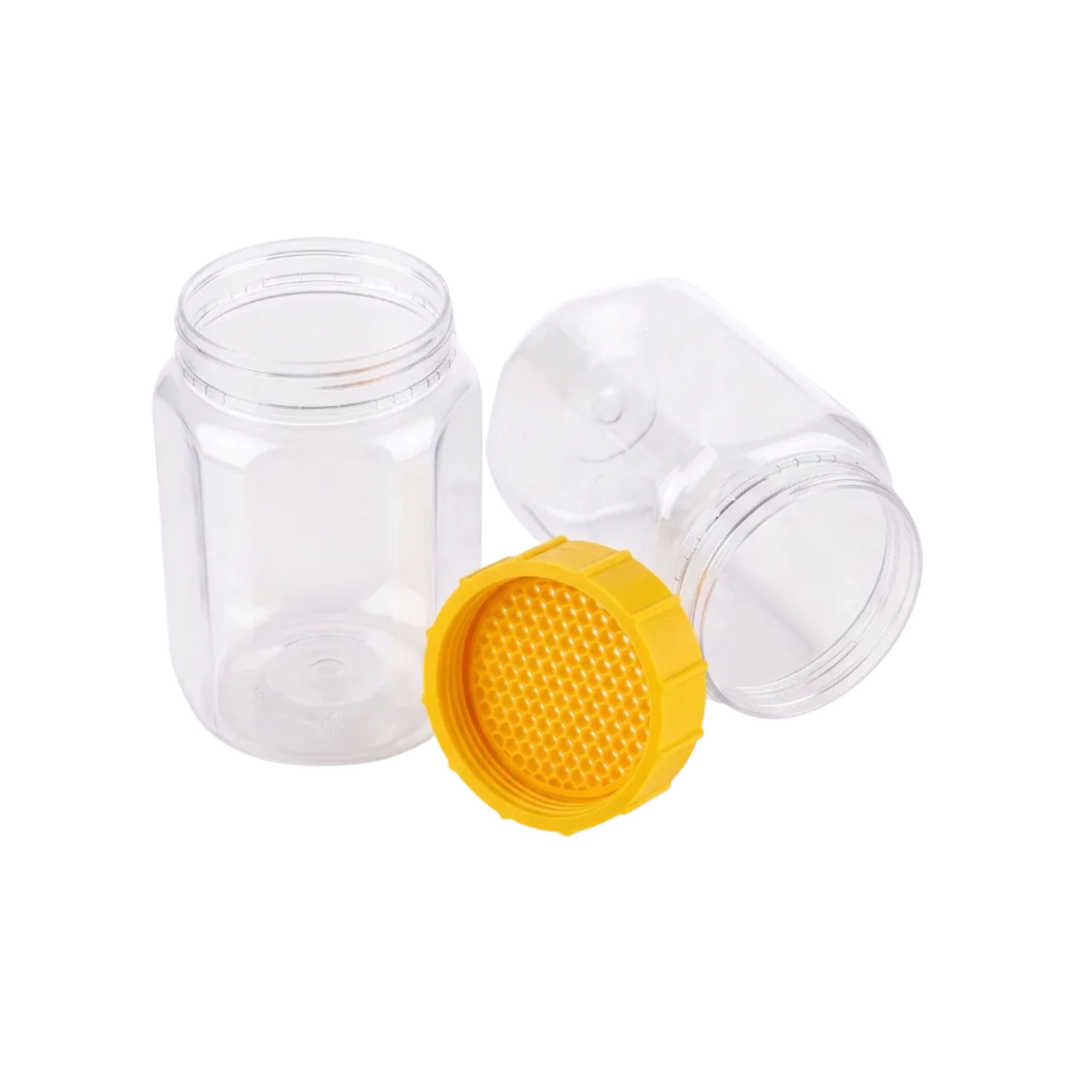
Alcohol Shaker Condo for Varroa Monitoring
Make regular mite checks part of your normal inspection routine with the Alcohol Shaker Condo. Listed within the store’s pest-and-disease testing range, this product is intended to support alcohol-wash monitoring for Varroa mites.
Alcohol washing is regarded as best practice for measuring Varroa levels in Australian honey bee colonies. Rather than relying on visual hive symptoms, a standardised sample gives the beekeeper a measurable result that can be recorded and compared over time.
Why Regular Testing Matters
Varroa numbers can differ considerably between colonies in the same apiary. For this reason, monitoring should be completed across a representative selection of hives rather than assuming that one result reflects every colony.
Current national guidance recommends using approximately 300 adult worker bees, equal to roughly half a cup, for a standard alcohol wash, soapy-water wash or sugar shake. Where Varroa is established, monthly monitoring is generally recommended outside treatment periods and very cold winter conditions.
A Consistent Alcohol-Wash Routine
When completing an alcohol wash:
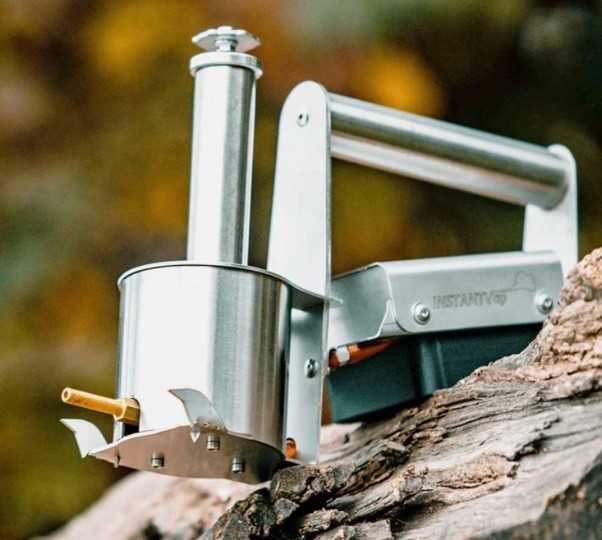
Collect approximately 300 adult worker bees from the brood area
Confirm that the queen is not included in the sample
Add the sample to the appropriate testing container
Use the required quantity of alcohol or approved wash solution
Agitate the sample according to current instructions
Separate and count the dislodged mites
Record the result for the colony and date
Dispose of the bee sample and liquid responsibly
NSW guidance describes using 150mL of suitable alcohol or prepared soapy water, followed by repeated agitation and straining to improve mite recovery. The alcohol-wash method kills the sampled bees, so careful queen checking is essential.
Use Alcohol Safely Around the Apiary
Methylated spirits and similar alcohol products are flammable. Keep the testing area away from lit smokers, flames, sparks and heated equipment. Wear suitable gloves and eye protection, close the container securely and follow the liquid manufacturer’s handling and disposal instructions.